Growing Saffron in a Greenhouse: How to Plant, Care for, and Harvest Saffron Crocus

Want to grow one of the world’s most valuable spices in your own greenhouse? Saffron comes from the fall-blooming saffron crocus, Crocus sativus, and it can grow beautifully in a Growing Dome when you give it full sun, excellent drainage, and a dry place to rest during dormancy.
Growing saffron in a greenhouse is especially helpful for gardeners in cold, wet, windy, or high-altitude climates. A protected greenhouse environment helps prevent soggy soil, shields the delicate fall flowers, and makes it easier to harvest the bright red saffron threads at just the right time.
In this guide, we’ll cover where to plant saffron in a dome greenhouse, how to plant saffron corms, how to care for them through the seasons, and how to harvest and dry your own saffron.
Free Download
About Saffron

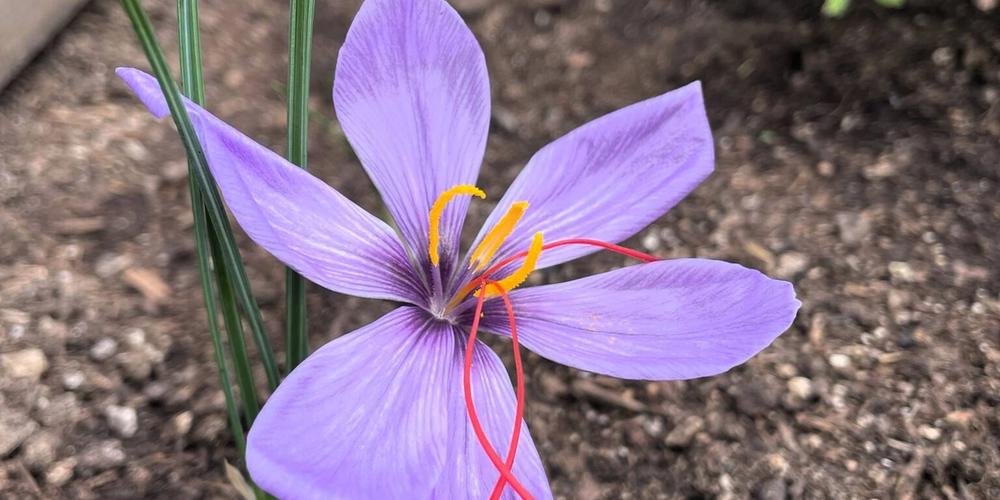
Saffron is the red-orange stigma of the saffron crocus flower. Each flower produces only three stigmas, which is one reason saffron is known as one of the most valuable spices in the world.
It is prized for its color, fragrance, and flavor. Saffron is used in rice dishes, soups, baked goods, teas, and traditional recipes around the world. It is also a beautiful fall-blooming plant that can add a bright purple bloom to your greenhouse when many other plants are slowing down for the season.
Saffron Quick Facts:
- Family: Iridaceae
- Botanical Name: Crocus sativus
- Common Name: Saffron
- Zone: 5-8 outdoors (USDA)
- Size: 12”-18” tall; 12” wide
| Saffron Needs | Best Greenhouse Growing Condition |
|---|---|
| Light | Full sun to partial sun |
| Soil | Loose, well-draining soil |
| Soil pH | About 6–7 |
| Best planting time | Early fall |
| Bloom time | Fall, often October to November |
| Best greenhouse location | Sunny, dry raised bed or container |
Growing Saffron in a Greenhouse
Yes, you can grow saffron in a greenhouse. In many climates, a greenhouse makes saffron easier to grow because it gives you more control over moisture, temperature, wind, and soil conditions.
Saffron crocus prefers a sunny location, loose soil, and excellent drainage. It does not like soggy soil. Too much water is one of the most common reasons saffron corms fail.
A greenhouse is especially useful during the fall bloom period. Outdoor saffron flowers can be damaged by early snow, heavy rain, strong wind, or wildlife. Inside a Growing Dome, the flowers are easier to monitor and harvest as soon as they open.
Growing Spaces Tip: Saffron is a better fit for the dry areas of your dome (perimeter) than the humid zones (central, near pond). Pair it with plants that like similar conditions, such as lavender, rosemary, thyme, or other drought-tolerant herbs.
Best Location in a Dome Greenhouse for Growing Saffron
Choose the sunniest, driest location in your Growing Dome for saffron. A raised bed or deep container is often the easiest way to give saffron the drainage it needs.
Avoid planting saffron in low spots where water collects. Also avoid areas close to the pond, heavy irrigation lines, or plants that need frequent watering.
Containers are a smart choice if your greenhouse is unheated or you live in a cold climate. You can move the pots to a more protected location during extreme winter weather or dig up and store the corms after the foliage dies back.
If you are growing in a Growing Dome, you are in luck! Thanks to the seven features that keep the Growing Dome on average 20-30°F warmer than outside ambient temperatures without added heating, you can keep your corms in the greenhouse all year.

How to Plant Saffron Corms
Purchase saffron corms from a reputable source. Make sure you are buying true saffron crocus, Crocus sativus. We purchased ours from Eden Brothers. Some crocus-like plants are not edible, and some are toxic, so correct identification matters.
Plant saffron corms in early fall. In most greenhouse beds or containers, plant each corm about 2 to 4 inches deep. Place the flatter side down and the pointed end facing up.
Space the corms about 4 to 6 inches apart. This gives them room to grow and multiply over time.
After planting, firm the soil gently and water lightly to settle the corms. Then let the top of the soil begin to dry before watering again. Do not keep the bed constantly moist.
Expert Tip: Use plant markers so you remember where the corms are planted. Saffron can take several weeks to sprout, and the flowers may appear quickly once growth begins.
Caring for Saffron in a Greenhouse
Saffron care is simple when the growing conditions are right. Give the plants bright light, keep the soil well-drained, and avoid overwatering.
Check the soil before watering. If it still feels damp, wait. If it feels dry, water lightly. Saffron does not need constant irrigation.
After the plant finishes blooming and the foliage eventually dies back, reduce watering even more. Saffron needs a dry rest period during dormancy. This seasonal rhythm helps the corms prepare for the next bloom cycle.
Good airflow also helps prevent fungal issues, especially in humid greenhouse environments.

Protecting Saffron from Rodents and Pests
Rodents love saffron corms. Mice, voles, squirrels, and other animals may dig up and eat them if they can reach them.
If rodents are an issue in your area, line the planting area with ¼-inch hardware cloth before planting. You can also use hardware cloth around the bottom of raised beds or containers to keep animals from digging in from below. We provide detailed instructions for laying out this Rodent Protection Option in your Growing Dome installation instructions.
Spider mites and scale may also appear in greenhouse environments. Watch for stippling, wilting, discoloration, sticky residue, or small bumps on leaves and stems. Healthy airflow, clean beds, and careful watering can help reduce pest and disease problems.
Saffron Companion Plants
Saffron grows best with plants that enjoy similar conditions. Choose companions that like sun, good drainage, and drier soil.
Good saffron companion plants include:
- Lavender
- Rosemary
- Thyme
- Sage
- Marigolds
- Salvia
Lavender, rosemary, and thyme are especially good companions because they also prefer well-draining soil and do not need constant moisture.
Avoid planting saffron next to heavy feeders or moisture-loving plants. Also avoid planting it too close to other bulbs or corms that may compete for underground space.
We plant our Saffron near other herbs, and we most often plant those in the eastern and southern perimeter zones.

This flower is a bit past it's prime harvest time indicated by wilted petals
When and How to Harvest Saffron
Saffron usually blooms in fall, often from October to November. Timing can vary depending on your climate, planting time, and greenhouse conditions.
Check your plants daily during bloom season. Harvest flowers as soon as they open. Morning is often a good time because the flowers are fresh and easy to handle.
Gently pick the flowers by hand. Then use clean fingers or tweezers to remove the red stigmas from each flower. These red stigmas are the saffron threads.
Each flower produces only three stigmas, so the harvest will look small. That is normal. Saffron is valuable because it takes many flowers and careful hand harvesting to produce even a small amount.
How to Dry and Store Saffron
After harvesting, dry the saffron threads before storage. Spread the stigmas in a single layer in a warm, dry, airy location. You can air dry them, use a dehydrator, or use another gentle drying method.
The threads should be fully dry before you store them. Moisture can cause mold and reduce quality.
Store dried saffron in an airtight container in a cool, dark place. Light can reduce saffron quality over time, so use an opaque container or keep the jar in a dark cabinet.
Common Mistakes When Growing Saffron
The most common mistake is overwatering. Saffron does not want the same conditions as leafy greens or tropical plants. Let the soil dry between waterings.
Another mistake is planting saffron in the wrong part of the greenhouse. A damp, shaded, humid corner is not ideal. Choose a bright, dry spot instead.
Gardeners may also forget where they planted the corms. Use labels so you do not disturb the corms before they sprout.
Finally, do not expect a huge harvest from a few corms. Saffron is rewarding, but it is naturally low-yield by weight.
FAQ: Growing Saffron in a Greenhouse
Can saffron grow in a greenhouse?
Yes. Saffron can grow well in a greenhouse when it has full sun, well-draining soil, and protection from excess moisture. A greenhouse is especially helpful in wet, windy, cold, or high-altitude climates where outdoor fall flowers may be damaged.
Is saffron good for a Growing Dome?
Yes. Saffron can be a good fit for a Growing Dome because it does not need much space and benefits from the protected fall growing environment. Plant it in a sunny, dry area away from the pond, misting systems, or high-humidity planting zones.
Where should I plant saffron in a dome greenhouse?
Plant saffron in the sunniest, driest part of the dome. This is often going to be the southern perimeter bed of your greenhouse. A deep container can also work well because it helps improve drainage and prevents the corms from sitting in wet soil.
Can saffron overwinter in an unheated greenhouse?
It depends on your climate and how cold your greenhouse gets. In most greenhouse styles, grow saffron in pots so you can move the corms to a protected location during extreme winter weather. In a Growing Dome, saffron may stay in the greenhouse bed if the soil remains well-drained.
Does saffron need humidity in a greenhouse?
No. Saffron does not need high humidity. It prefers a drier growing area with good airflow. Keep it away from tropical plants or greenhouse zones that receive frequent watering.

A Brief History of Saffron
Saffron has been used for centuries in food, dye, medicine, and cultural traditions. Today, it is grown in several parts of the world, including Iran, Spain, Afghanistan, India, and other regions with suitable growing conditions.
It remains one of the most labor-intensive spices because every stigma must be harvested by hand.
Saffron-colored robes, flags, and dyes have also held cultural and spiritual meaning in many traditions, although many saffron-colored fabrics are dyed with less expensive plants such as turmeric or jackfruit.
Health Benefits of Saffron
Saffron contains antioxidant compounds, including crocin, crocetin, and safranal. These compounds are one reason saffron has been studied for possible health benefits.
Some research suggests saffron may have potential benefits related to mood, PMS, appetite, and overall wellness, but more research is needed. Saffron should be used in normal culinary amounts unless you are working with a qualified healthcare provider.
Pregnant women should avoid high doses of saffron.
Final Thoughts on Growing Saffron in a Greenhouse
Growing saffron in a greenhouse is a rewarding project for gardeners who enjoy specialty crops. It does not take much space, but it does require the right conditions and patience.
Give saffron full sun, excellent drainage, and careful watering. Protect the corms from rodents. Harvest the flowers as soon as they bloom, then dry and store the red stigmas away from light.
A Growing Dome can make saffron easier to manage by protecting the flowers from harsh weather and giving you more control over the growing environment. For gardeners in cold, windy, wet, or high-altitude climates, that protection can make all the difference.
If you would like to learn more about how a Growing Dome would work in your climate and what else you can grow, we are happy to help!
Happy fall gardening!

Seasonal Growing Tips & Greenhouse Advice
Monthly stories from our greenhouses, Growing Dome spotlights, and other gardening content


Share This

I joined Growing Spaces in 2021 as a gardener and now work with the Marketing and Social Media department. Formerly I was a kindergarten teacher and then worked as a Gardener and Volunteer Coordinator at Maui Nui Botanical Gardens in Hawai'i. Since moving to Colorado I have worked in the veterinary field and have been involved in therapy dog work visiting hospitals, schools and libraries with a national therapy group. My previous dog and I also worked as a crisis response team helping those affected by crises or disasters and were deployed through Hope Animal-Assisted Crisis Response (Hope AACR). Muppet and Maple are my current therapy dogs and we visit the library and hospital here in Pagosa Springs. Muppet is also a crisis response canine with Hope AACR. Outside of working and volunteering, I love growing native plants, flowers, berries, herbs and veggies at home, photography, hiking, horseback with my husband and hanging out with our dogs.
View full bioDownloads
Featured Categories
Seasonal Growing Tips & Greenhouse Advice
Monthly stories from our greenhouses, Growing Dome spotlights, and other gardening content
Featured Stories

Grow Better: Easy Seed Starting Tips for a Bountiful Garden

The Best Plants for Hanging Baskets

Gold in the Garden: Why Turmeric is the Ultimate Greenhouse Crop

The 7 Best Winter Crops to Grow in a Greenhouse (or Your Backyard Garden)

Mastering Winter Squash: From Seed to Storage

Growing Eggplant: From the Greenhouse to the Grill

Sustainable Gardening: Why Crop Rotation Matters

How to Grow Lemongrass and Citronella in a Dome Greenhouse

Growing Fava Beans in a Greenhouse – Bean There, Dome That

How to Succeed with Companion Planting
Featured Products


Sign up for The Happy Grower Newsletter
Once a month: stories from our gardens, Growing Dome spotlights, and what's in season in Pagosa Springs.