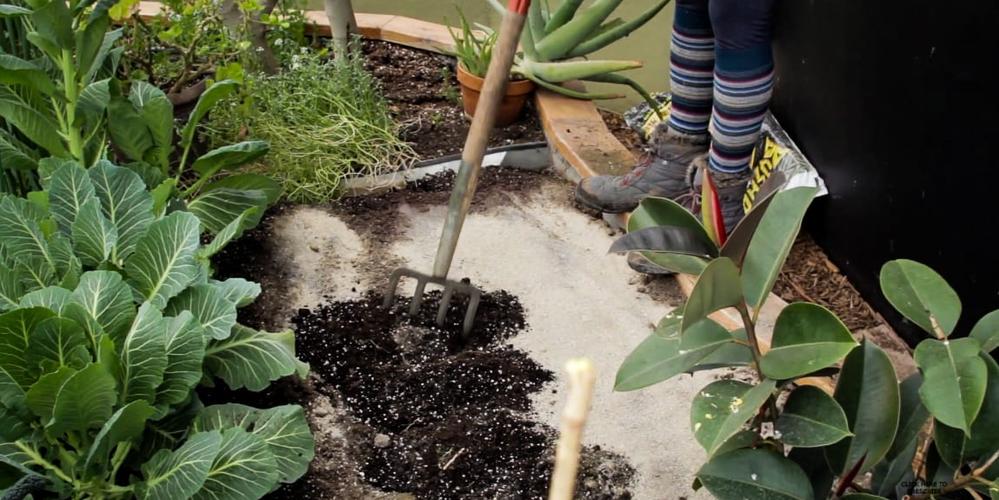
Do you Need Fertilizer in a Greenhouse?

Do you Need Fertilizer in a Greenhouse?
If you’re growing in a greenhouse, you’ve probably asked yourself: Do I actually need to fertilize my plants in here? The short answer is: yes, but usually less than you think. More importantly, it’s not just how much you fertilize. It’s how your soil system functions as a whole.
How Fertilizer Needs Change in Outdoor vs. Indoor Growing
When most people move from outdoor gardening into a greenhouse, they bring the same habits with them. Regular feeding schedules. Routine fertilizer applications. A sense that fertilizer is just part of the process. They don’t realize that a greenhouse changes the equation.
Outdoors, nutrients are constantly being lost. Rain washes them away. Snowmelt moves them deeper into the soil. Wind and temperature swings slow biological activity. It’s a system that resets itself over and over again. Inside a greenhouse, that constant loss slows down dramatically.
Nutrients tend to stay where you put them. Soil stays warmer and more biologically active for longer periods. Microbes, the organisms that actually make nutrients available to plants, have a chance to build stable populations instead of resetting every season. Because of that, many growers eventually realize they don’t need nearly as much fertilizer as they once thought.
Greenhouse Fertilizer: It Depends on Your Gardening Style
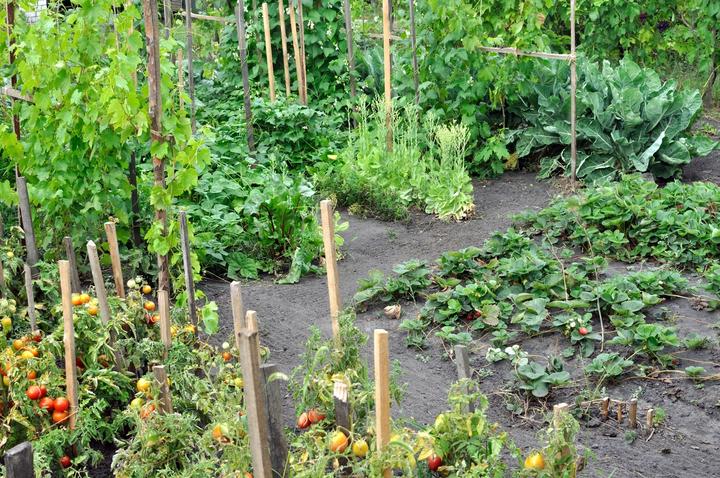
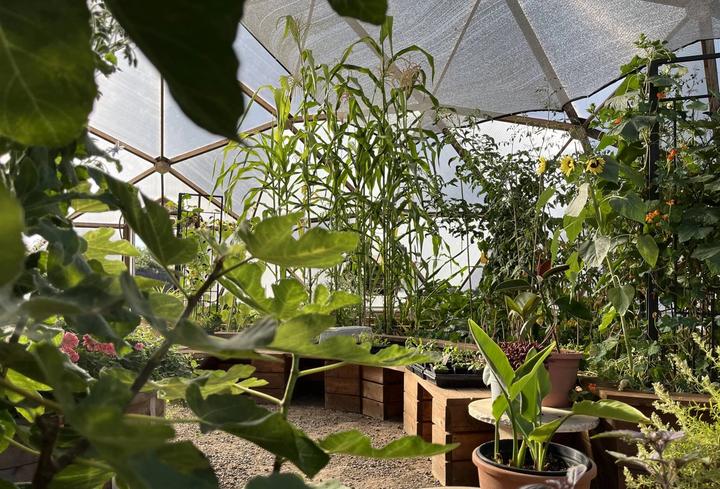
Two gardeners can grow in identical greenhouses and have completely different fertilizer needs. One may rely on frequent inputs to feed plants directly. The other may focus on building living soil by adding compost, supporting biology, and allowing nutrients to cycle naturally over time. Both approaches can work, but if you build healthy soil, fertilizer becomes something you use strategically, not routinely.
When Greenhouse Plants Actually Need Fertilizer
There are still times when fertilizer plays an important role. Heavy-feeding crops like tomatoes, peppers, cucumbers, brassicas, and squash remove significant nutrients from the soil, especially when grown continuously. In a greenhouse, where growing cycles are extended or even year-round, this nutrient removal happens without the natural reset that outdoor systems rely on. However, not all nutrients are depleted at the same rate.

In actively growing systems, nitrogen is typically the most rapidly used nutrient. It’s highly mobile in the soil and closely tied to plant growth, particularly leafy development and ongoing production. Because of this, nitrogen is often the first limiting factor in greenhouse soils over time. You’ll usually notice it before it becomes a major problem. Growth slows slightly. Leaves lose some of their deep color. Production tapers off. That’s often your cue to step in.
In many greenhouse systems, growers will start to notice a pattern. Even when compost is added regularly, plants can begin to slow over time often because nitrogen is being used faster than it’s being replaced. In those cases, some growers choose to supplement more intentionally with inputs that lean toward nitrogen rather than potassium. For example, soil conditioners like Lawngevity, with a more balanced 3-2-1 N-P-K ratio, can help replenish what’s being depleted without continuing to build up nutrients that tend to accumulate in a closed system.
A Quick Way to Think About It
Some plants are simply hungrier than others. Tomatoes, cucumbers, squash, peppers, and even fast-growing greens tend to pull nutrients at a faster rate, especially during peak production. Meanwhile, many herbs, root crops, and perennial plants are much lighter feeders and often do better with less intervention. Before you start blindly guessing what your plants need, it is always best practice to test your soil.

To make this easier, we put together a simple Greenhouse Plant Feeding Guide you can reference as you plan your beds.
Greenhouse Plant Feeding Guide
It covers vegetables, herbs, and fruits, so you can quickly see which plants need more support and which ones thrive with minimal input.
Why Over-Fertilizing Is So Common in Greenhouses
One of the biggest surprises for new greenhouse growers is how easy it is to overdo it. Outdoors, excess fertilizer gets washed away over time. Inside a greenhouse, it doesn’t. Those extra nutrients, especially salts, can build up in the soil. This can create imbalances that aren’t always obvious at first.
You might notice:
- Strong leafy growth but reduced fruiting
- Plants that look healthy, then stall
- Signs of deficiency even when nutrients are present
In a controlled environment, more input doesn’t automatically lead to better results.
A Shift That Changes Everything
Over time, many greenhouse growers move away from the idea of “feeding plants” and start focusing on feeding the soil instead. Adding compost or composted manure seasonally, just a thin layer, helps build organic matter and supports microbial life. Worm castings add a gentle, balanced source of nutrients. Plant waste can be composted and returned to the system instead of removed. As that cycle strengthens, the soil starts to do more of the work for you and the need for fertilizer often decreases.
Supporting the Biology Behind It

As you build soil health, another layer becomes just as important: soil biology. Mycorrhizal fungi form relationships with plant roots, extending their reach and helping them access nutrients, especially phosphorus and micronutrients, that might otherwise remain unavailable. These fungal networks also improve water uptake and contribute to soil structure.
In a greenhouse, where soil is less disturbed and environmental conditions are more stable, mycorrhizae can establish over time and significantly improve nutrient efficiency. Rather than increasing inputs, supporting these biological systems allows plants to make better use of what’s already present.
Not All Compost Is Created Equal
As compost becomes a central part of your system, it’s worth taking a closer look at what it’s actually contributing over time. Compost is often treated as an automatic good, and in many ways, it is. It adds organic matter, supports microbial life, and improves soil structure. But one of the more helpful lessons we’ve learned, through conversations with soil expert Bart at Paonia Soil Co., is to be a little more intentional and cautious with how compost is used in greenhouse systems.
Many composts, especially those made primarily from plant materials, tend to reflect the nutrient profile of those inputs. In general, plant-based composts are relatively higher in potassium (K) compared to nitrogen (N), often approximating a 1-2-3 N-P-K ratio.

In an outdoor garden, that imbalance is usually moderated over time by rainfall, leaching, and seasonal turnover. In a greenhouse, those processes are limited. So when compost is applied consistently, especially without much variation in inputs, nutrients can begin to accumulate in ways that aren’t always obvious at first.
Nutrient Balance Matters More Than Quantity
One of the more subtle effects of this imbalance is something known as nutrient antagonism or nutrient lockout. In soil chemistry, nutrients interact with one another. High levels of one nutrient can interfere with the uptake of others at the root level.

Excess potassium, for example, can compete with calcium and magnesium. Even when those nutrients are present in the soil, plants may not be able to access them efficiently. This can show up as:
- Blossom end rot
- Pale or uneven leaf growth
- Symptoms of deficiency despite regular feeding
In many cases, the issue isn’t a lack of nutrients. It's how those nutrients are interacting.
Bringing the System Back Into Balance
Once you start to recognize these patterns, the goal shifts. Instead of adding more inputs, it becomes about adjusting balance over time. The goal isn’t to stop using compost, but to use it more thoughtfully.
That might look like:
- Replenishing nitrogen, which is used quickly in active systems
- Supporting phosphorus availability for both plants and soil biology
- Avoiding repeated additions of nutrients that tend to accumulate
Some growers approach this by combining compost with more targeted amendments or biologically supportive inputs, depending on what their soil is showing over time. Some switch between plant based and manure based composts. The specifics can vary but the principle stays the same: Add what’s needed, not just what’s standard.

What About Fertilizing a Greenhouse in Winter?
Even in a greenhouse, plant growth is still driven by light. During winter, shorter days and lower light intensity limit photosynthesis. As growth slows, nutrient demand drops as well. When nutrient inputs remain high during this period, they tend to accumulate in the soil rather than being used. Slow plant growth in winter cannot be remedied by fertilizing alone, but instead by adding light.
Where the Growing Dome Stands Out
All greenhouses create a more controlled environment, but not all support long-term soil health equally. The Growing Dome is designed to create balance. With even light distribution, consistent airflow, and stable temperatures, it supports active soil biology and reduces the environmental swings that can disrupt nutrient cycling. Over time, that stability makes it easier to build a system where nutrients are retained, recycled, and made available naturally. In that kind of system, the need for constant inputs tends to fade.


Seasonal Growing Tips & Greenhouse Advice
Monthly stories from our greenhouses, Growing Dome spotlights, and other gardening content


Share This

I graduated from Fort Lewis College in 2018 with a BA in Environmental Studies. I began working for Growing Spaces in August of 2020 and have had the pleasure of working in many departments. I enjoy being a part of this amazing team that helps others achieve their dream gardens! In my spare time, I enjoy working in the 15’ Growing Dome that my husband and I share.
View full bioDownloads
Featured Categories
Seasonal Growing Tips & Greenhouse Advice
Monthly stories from our greenhouses, Growing Dome spotlights, and other gardening content
Featured Stories

How to Grow Food Year-Round Without Spending a Fortune on Greenhouse Heating

Growing a Pawpaw Tree Way Down Yonder in a Greenhouse

2026 Calendar of Events

Fig & Crunchy Chickpea Salad with a Refreshing Mojito Mocktail

Growing Dome Photo Contest 2026

Top 10 Activities, Attractions, and Dining in Pagosa Springs

Growing Through Deep Winter: A Comparison of Greenhouse Approaches

Preserving the Harvest: Pickling and Fermentation
Featured Products


Sign up for The Happy Grower Newsletter
Once a month: stories from our gardens, Growing Dome spotlights, and what's in season in Pagosa Springs.