What Is a Cold Frame? How to Use It to Grow More Food at Home

A lot of people are drawn to the idea of growing their own food. There’s something simple and satisfying about stepping outside and harvesting fresh greens or clipping herbs for dinner. It feels grounded, practical, and a little more connected to how things should be. However, sometimes getting started isn’t always as simple as it sounds.

Greenhouses can feel like a big commitment. Gardens take time to figure out. The weather and wildlife have a way of making even the best plans unpredictable. For a lot of people, that gap between wanting to grow and actually doing it is where things stall out.
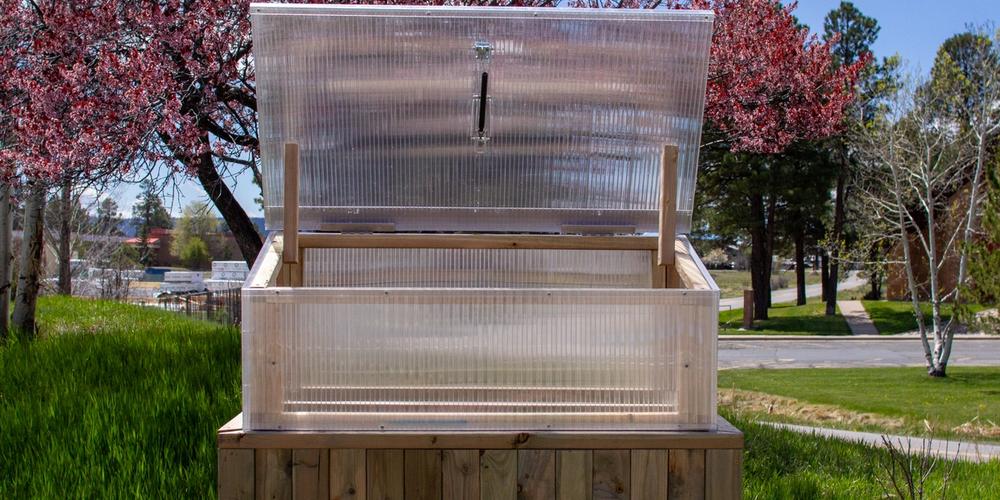
That’s where cold frames come in and why they’ve become one of the easiest ways to start growing with confidence. At a glance, a cold frame is a low, enclosed structure with a clear lid that sits over your plants, letting sunlight in while holding warmth inside. That capturing and retaining of heat, creates a more stable environment where plants aren’t exposed to every fluctuation in the weather.
A Simple Way to Grow More Food Without a Greenhouse
Instead of reacting to every cold night or sudden temperature swing, you’re working within a buffered space where things move a little more predictably. Plants experience less stress, and you get more consistent results.
Once you start using a cold frame, you realize it’s not just for one specific purpose or time of year. It naturally becomes part of everything you’re already doing. In early spring, it lets you start sooner. As the weather shifts, it protects against frost, hail, and wind. And later in the year, it keeps your garden going longer.
That might look like placing a Cold Frame over an existing raised bed, starting with a contained system like The Garden Starter, or bringing your garden to a more accessible height with The Salad Bar. Each approach creates a protected growing environment; it just depends on how you want to grow.


What Can You Grow in a Cold Frame?
The types of plants that thrive in a cold frame tend to be the ones that already prefer cooler, steadier conditions. Leafy greens like lettuce, spinach, arugula, and kale are some of the most reliable. Herbs like parsley, cilantro, and chives also do well, especially when they’re easy to harvest regularly. You can also grow some root crops like radishes and carrots, and use the space to start seedlings for crops you’ll move later.
Who Should Use a Cold Frame Garden System?
Cold frames are often described as a beginner gardening tool, and they absolutely are. But more than that, they’re for anyone who wants to grow food in a way that fits into their life.
If you don’t have space for a greenhouse, they offer many of the same benefits in a much smaller footprint. If you’re renting or working with a patio or small yard, they give you a flexible way to grow. And if you’re busy, they remove a lot of the daily management that larger systems require.
Even for greenhouse owners, cold frames are useful for seed starting, creating dedicated growing zones, or extending production.
How to Use a Cold Frame

Using a cold frame doesn’t require much of a learning curve. You place it over your growing space, plant what you want, and let the sun do most of the work. During the day, heat builds inside. At night, that warmth helps protect your plants. On warmer days, you open the lid to vent heat, or let an automatic vent opener handle it for you, adjusting throughout the day as temperatures rise and fall. Beyond that, it’s just gardening. Water when needed, check in when you have time, and harvest when things are ready.
Using a Cold Frame in Summer Without Overheating Plants
That same simplicity carries into the middle of summer, even though the role of the cold frame changes. Instead of capturing heat, you’re managing it. Most days, the lid stays open to allow airflow and prevent overheating. The automatic vent opener continues to help here, opening as temperatures rise so you don’t have to monitor it constantly.
If it’s still too hot, you can manually open the lid to fully open the bed and maximize airflow. The tradeoff is that you lose protection, so if a sudden hail storm or monsoon rolls through, you won’t have that immediate coverage unless the lid is back in place.

Why Cold Frames Make Gardening Easier
A lot of the friction people experience with gardening comes from inconsistency. Weather shifts, plants struggle, timing gets thrown off. Cold frames smooth that out. They create a more stable growing environment, reduce plant stress, and make success more predictable. For beginners, that builds confidence quickly. For experienced growers, it creates more control.
Cold Frame vs Greenhouse: When to Upgrade
A lot of people assume growing more food means building something bigger, a greenhouse, a larger garden, a more complex system. But often, it starts with better conditions. A cold frame makes a single garden bed more productive and reliable. For some people, that’s enough. For others, it becomes the starting point.
If you eventually want year-round growing, more space, and a fully controlled environment, a greenhouse becomes the next step. The Growing Dome® greenhouse takes the same principles – passive solar heating, heat retention, and plant protection – and expands them into a durable, sustainable system designed for all-season growing.
Grow with purpose. Grow with confidence. Grow with Growing Spaces.


Seasonal Growing Tips & Greenhouse Advice
Monthly stories from our greenhouses, Growing Dome spotlights, and other gardening content


Share This

I graduated from Fort Lewis College in 2018 with a BA in Environmental Studies. I began working for Growing Spaces in August of 2020 and have had the pleasure of working in many departments. I enjoy being a part of this amazing team that helps others achieve their dream gardens! In my spare time, I enjoy working in the 15’ Growing Dome that my husband and I share.
View full bioDownloads
Featured Categories
Seasonal Growing Tips & Greenhouse Advice
Monthly stories from our greenhouses, Growing Dome spotlights, and other gardening content
Featured Stories

How to Grow Food Year-Round Without Spending a Fortune on Greenhouse Heating

Growing a Pawpaw Tree Way Down Yonder in a Greenhouse

2026 Calendar of Events

Fig & Crunchy Chickpea Salad with a Refreshing Mojito Mocktail

Growing Dome Photo Contest 2026

Top 10 Activities, Attractions, and Dining in Pagosa Springs

Growing Through Deep Winter: A Comparison of Greenhouse Approaches

Preserving the Harvest: Pickling and Fermentation
Featured Products


Sign up for The Happy Grower Newsletter
Once a month: stories from our gardens, Growing Dome spotlights, and what's in season in Pagosa Springs.