Lavender
Lavender's Mediterranean origins make it a natural fit for the Growing Dome, especially in cold-climate regions where outdoor lavender struggles to overwinter. The dome lets you grow English, French, Spanish, and lavandin varieties year-round, opening up culinary lavender, fragrant blooms, and dried bundles regardless of climate. From culinary harvests to dried bunches to infused honey, dome owners are bringing lavender into kitchens and homes across cold zones. Explore species selection, placement and drainage requirements, harvest timing for culinary and dried use, propagation, and recipes for culinary lavender in baking, savory dishes, and infused honey.

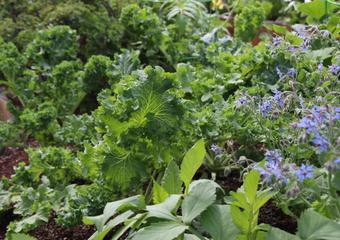
How to Succeed with Companion Planting
April 29, 2025
Companion planting is a great tool to utilize in your dome greenhouse and your garden. Learn about the benefits of companion planting and how to choose the best plant companions.
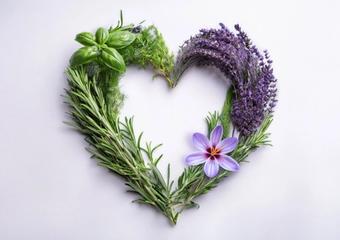
Herbs for the Heart: Plants for Love, Lust, and Longevity
February 10, 2025
Our favorite plants traditionally used as aphrodisiacs or to support cardiovascular health and the best gardening tips for cultivating them in your Growing Dome
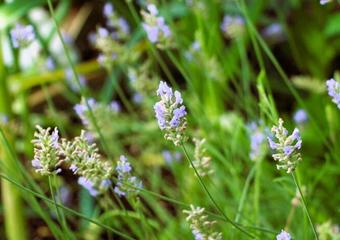
The Art of Growing Lavender
January 21, 2025
Learn the art of growing lavender in a dome greenhouse. Read how to care for your lavender plant including planting, companion plants, harvesting and uses of lavender.

The Best Lemon Olive Oil Cake with Lavender Glaze
February 6, 2024
Lemons are among the most popular fruit-bearing plants to cultivate in a Growing Dome greenhouse. Because they are available year-round at the grocery store many people associate lemons with fresh lemonade on a hot summer day. However, it may surprise you to learn that lemons are, in fact, considered a winter fruit. Their peak season, when they are most abundant and of the highest quality, typically extends from December to April.
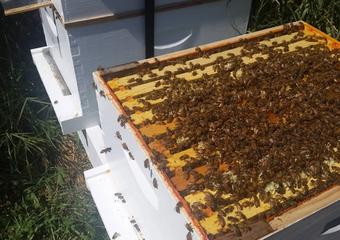
Attracting Bees to your Greenhouse
October 13, 2021
Will Bees Help Your Greenhouse? Attracting bees to your greenhouse will certainly encourage ample harvests. New greenhouses don’t always get discovered by local pollinators, which might leave the gardener empty-handed, or with much less produce than anticipated when it comes time to harvest. It is the job of the gardener to help pollinators find the…